Systemic Design for Regenerative Practice

Date
18-21 Oct 2026
Start: 18 Oct, Sunday (evening)
Finish: 21 Oct Wednesday 14h (after lunch)
Place
MonViso Institute campus, Serre Lamboi, Ostana, Valle Po, Italy
Idea
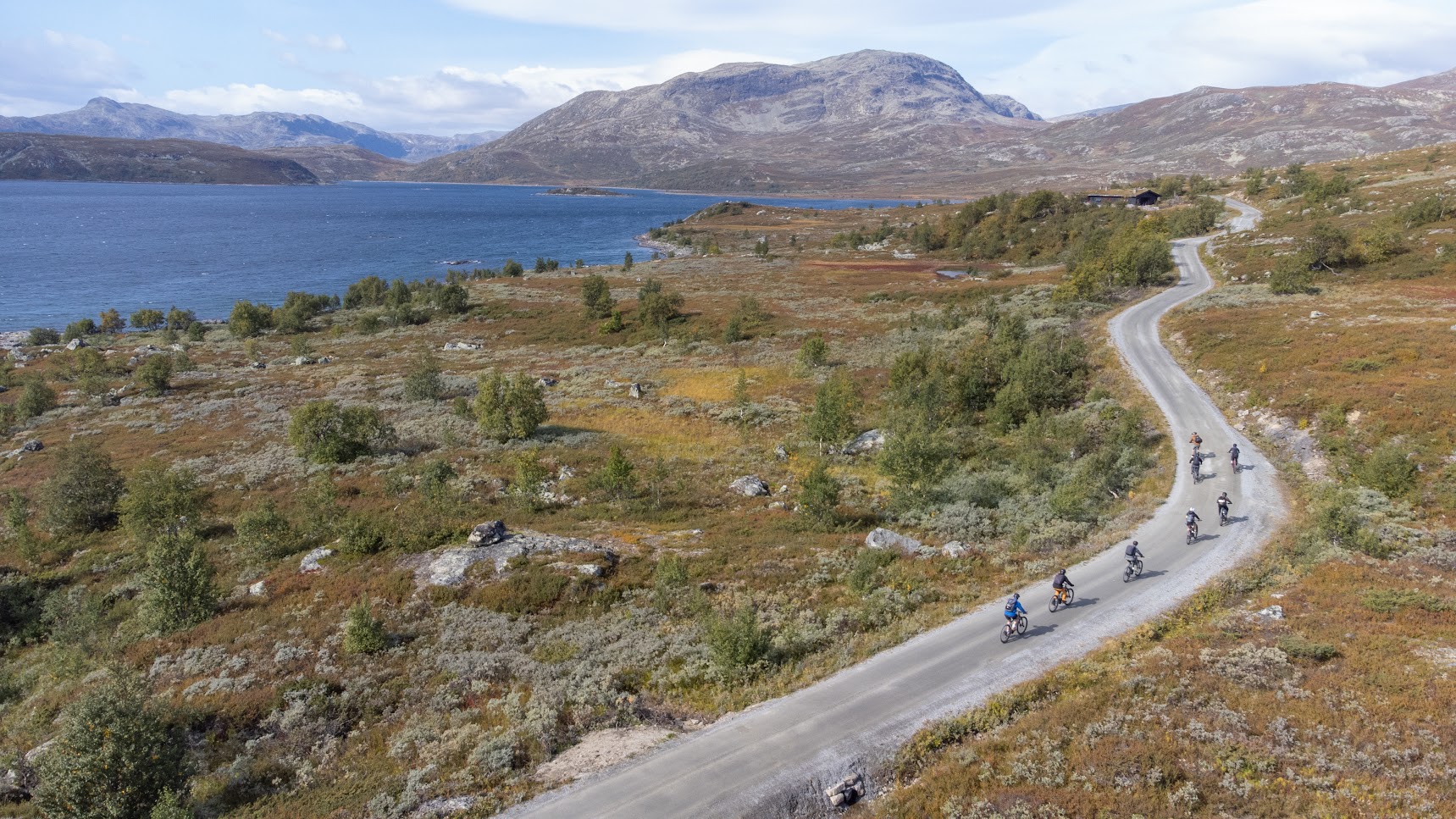
This course is offered after the RSD15 Post-Conference retreat as a stand-alone course, and as a welcoming extension for conference participants, as well as for those who could not join in Turin. The course will expand and deepen systemic design (SD) theories and practices in a real-world, transdisciplinary context. And this by spending some days in nature’s grandeur of the autumnish mountains with plenty of outdoor movement opportunities.
Content
We will embody the use of the SD Wheel of Inquiry (see below) and practice question-based navigation for systemic intervention applied to the MVI system, the mountain community setting, the alpine-urban context, the bioregional approach.
How can SD support and enable regenerative practice?
We will demonstrate various SD methods and explore their relational value for regeneration.
Foreseen methods and practices we will practice are (we will select best-fit):
- drone photogrammetry
- lidar scanning
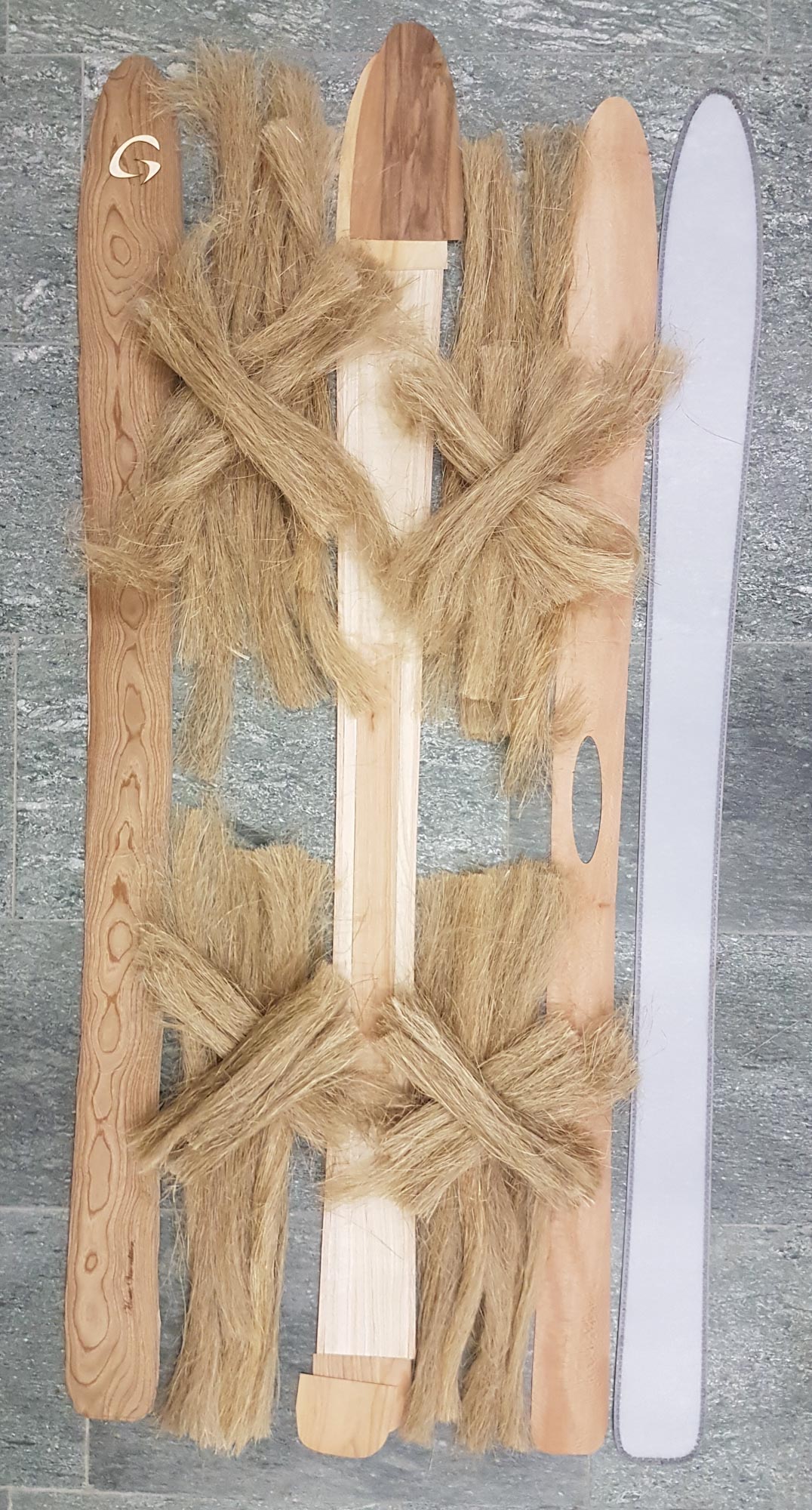
- 3D printing and CNC routing
- community integration and co-working, also physical
- visitor guidance through questioning-signalisation on trails
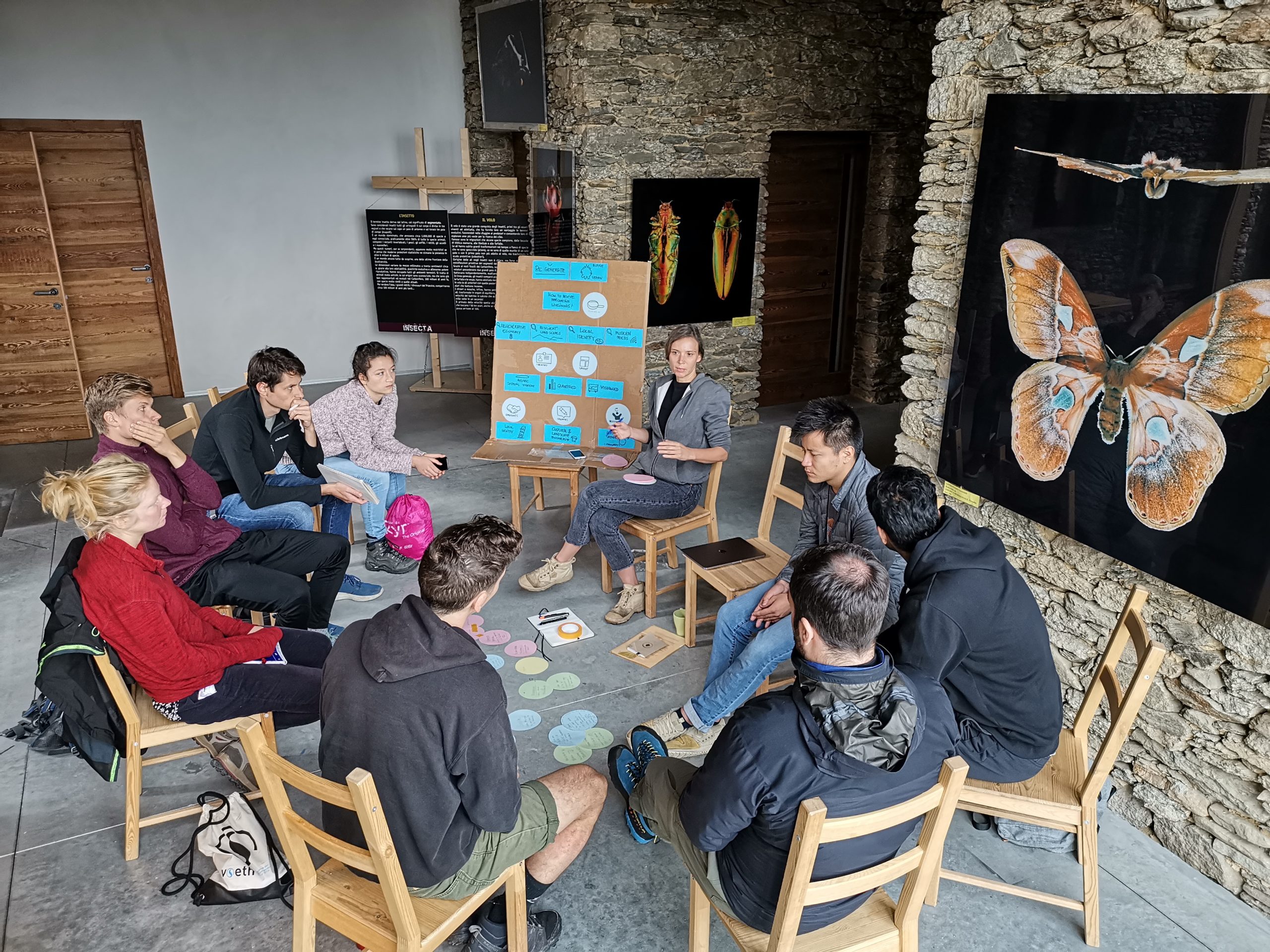
- hosting and facilitating a community event on campus
- social network analysis (SNA)
- adaptive waves of resilience
- (wet)land restoration
- inner processes, i.e. meditative and flow practices, guiding from within, a solo nigh out
- visual dialogues, Gigamapping, sketching, synthesis maps
- art-science-design integration
- and others – including “non-intervening” as a practice of holding space.
These demonstrations and practices are partly steered by the interest of the participants, and we create space for a fluid, interest-driven time in the mountains.

SD wheel of inquiry
What you experience
You will acquire in-depth practice of what regeneration entails, and of using the SD Wheel of Inquiry as a leading scientific, designerly and applied framework to intervene in complexity.
The case of the MVI system is a rich and diverse learning playground to become profound in SD, and add substantial practical experience to the more theoretical foundational learning in SD.
You will experience specific methods in their application with a high value in practice, such as drone photogrammetry and contour mapping, 3D and CNC engineering design for prototyping land use models (from a photogrammetry dataset of the land), visitor communication through questions and systemic simplification, social network analysis data collection through interviews, community facilitation, gigamapping, artistic expression, sketching, and accompanying inner development and resilience building through mental-physical activities in the wild mountain nature.
Fluid structure
We will spend time at campus and the village on various activities, go on hikes and explore the valley while curating a dialogic process around systems mapping and sensing, and question-based (non) intervention practices. Physical work like social landscaping, drone flying, visual dialogues and gigamapping with the SD Wheel, conducting SNA interviews, 3D object printing and routing, technical engineering design in the Grown lab, hosting and facilitating a community gathering – such and more are at offer.
We will engage with the local community to visit various projects and exchange with a conscious meta-awareness building to nurture the regeneration work of MVI. And to repeat – the “program” is open, fluid, interest-driven: we provide a frame, a flexible scaffolding, and participants decide themselves what meets their energies – this is the retreat’s “fluid structure”.
For whom?
RSD15 participants who’d like to mingle some more with new contacts from the conference. Those who seek to learn systemic design in deep embodied practice in a real-world design context, develop their inner self, and contribute to desired systemic change toward regeneration. Autumn mountain lovers to chill and move.
DRRS elective?
Yes, counting for 2 ECTS if accompanied by a written-graphical report with a potential selection as a DRRS blog publication, plus your personal learning reflection, to be submitted after the course.
Preconditions
• None for general post-RSD15 retreaters.
• For DRRS MAS students: MOOC#1, MOOC#2, and MOOC#3 in Systemic Design
• Proof of accident insurance (all participants).
Costs
300€ participation fee, including the organization, the demonstrations and activities, day snacks and drinks while on campus. Further costs for accommodation and food are to be added depending on your choice (see below).
Transport from/to the train in Saluzzo by taxi or rental e-bike (recommended) is about 30€ one way/person. Group pooling decreases costs. MVI members, DRRS CAS MAS alumni, students and those in need are eligible for a substituted participation fee.
Food
Food (own costs, counting on top of the course participation fee):
• Breakfast is individual to the accommodation.
• Lunch is individual.
• Dinners are organized.
Breakfasts, lunch, dinner will cost about 60€/day.
Accommodation (own costs)
• Option 1: The Foresteria hostel in Ostana, 10min walking distance, with spacey, semi-private bunk beds and two bathrooms for two sleeping rooms (8 people max per room). ~28€ per night.
• Option 2: A single or double room in the Agriturismo or Rifugio Galaberna. ~60-80€/night
• Option 3: Your indiviual AirBnB. ~60-80€/night/person
Signup
You can reserve you seat anytime by email to apply@monviso-institute.org. Please state your name, the accommodation option, and any food specifics. Seats are given first come first serve. We have 12 seats available.
Additional RSD15 contributions and retreat
• contribution of the DRRS program and the MonViso Institute (MVI) – read more
• the Post-RSD15 Conference Retreat @ Ostana and the MVI Campus – read more