Beyond bio-composites: Hemp skis

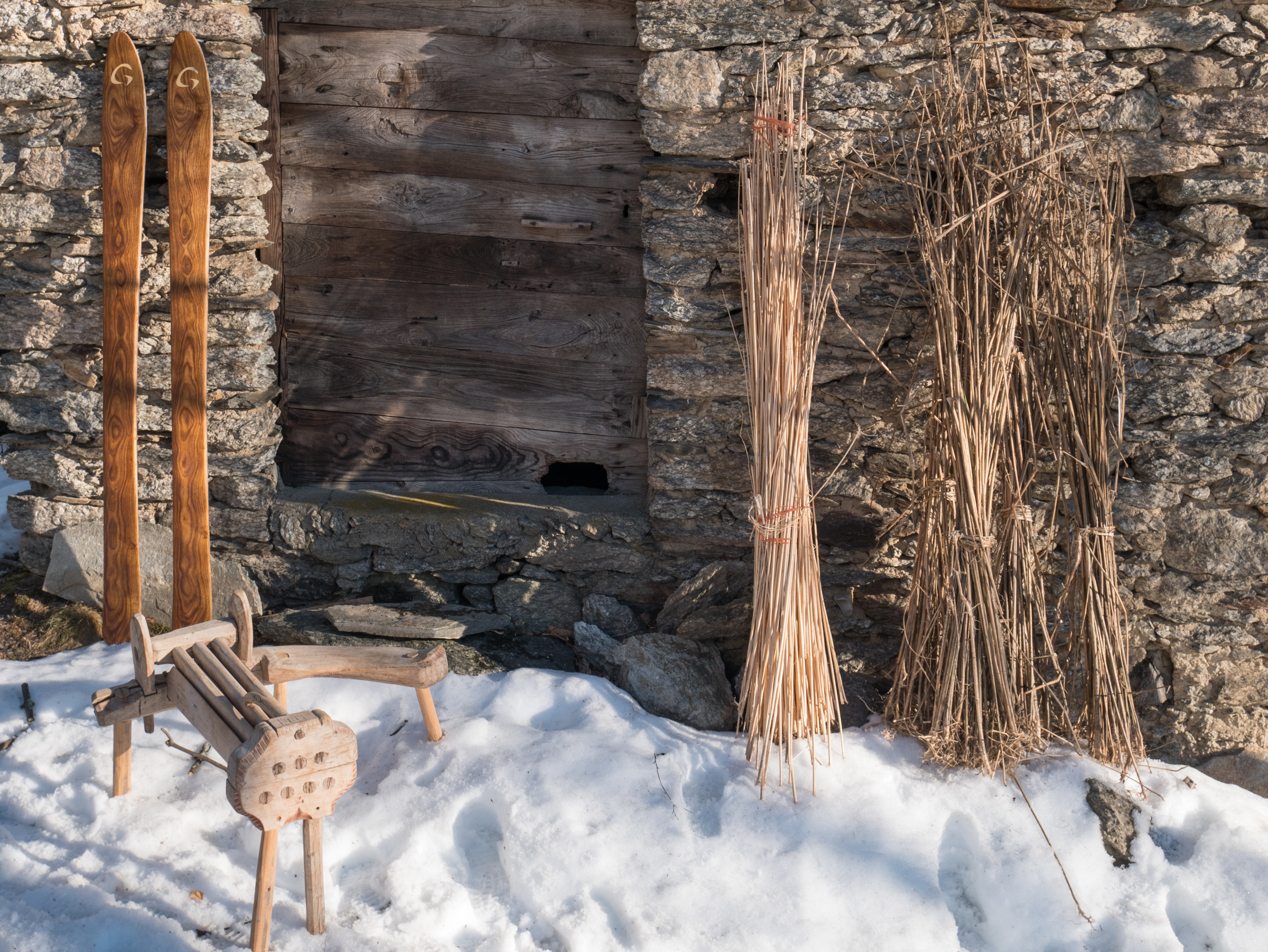
During the Systemic Design Labs course “ski and board building seminar”, we introduced hemp fibers, Paulownia and Laburnum wood veneer, grown on the lands of the MonViso Institute. Based on the long-time experience of the Grown – Design as Nature – collective, we prototyped the first hemp skis while students assisted and built their own skis as part of the course.
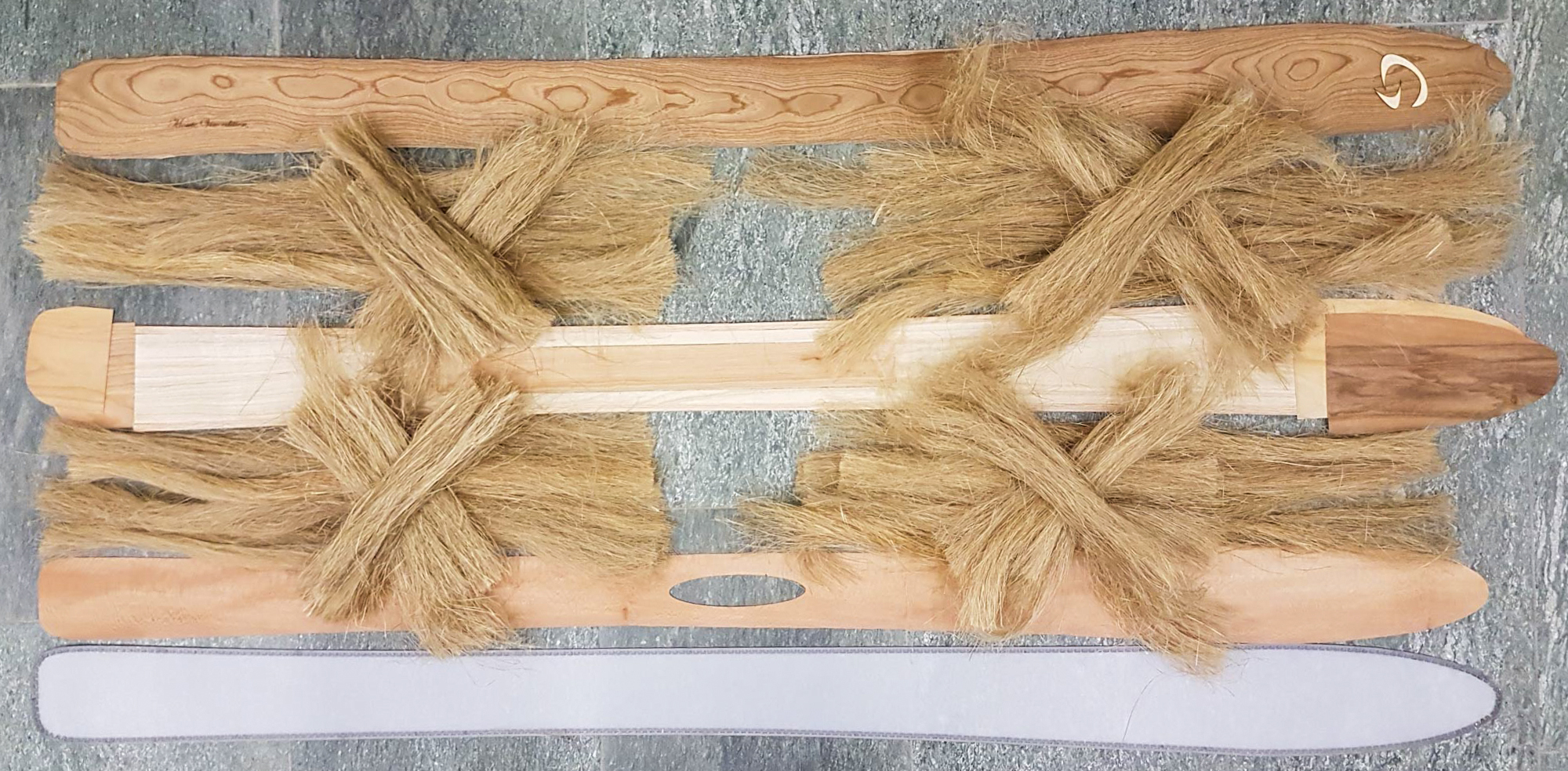
The composite layering setup of this award winning first hemp ski. The hemp fibers are handpulled and grown on 1500m asl at the MonViso Institute.

The ETH Grown Hemp ski received two industry design awards at ISPO Munich in 2018. ISPO is the largest and most important sporting goods industry fair in Europe. SDL course students were invited to showcase the hemp ski and some of their own designs, and got insights into the potential meaning of hemp fiber composites in the industry.


Hemp from rotting the stem to traditional fiber separation to usage of the fibers in composite skis. Grown in High Po Valley, Italy.

In a globalized complex world, with human-induced climate change accelerating, our homework is to minimize the negative environmental footprint of products and consumption. Performing beyond that, we have the chance and task to contribute positively to a regenerative, circular economy.

These hemp-Paulownia composite skis are the latest award-winning innovation in sustainability for the skiing world, illustrating systemic, regenerative design. The hemp skis are regenerative skis, designed with hemp fibre-Paulownia wood composite, laminated with partly bio-based, partly recycled epoxy resins. This leads to an about 47% lower environmental footprint compared to conventional glass fiber skis, plus to fostering an evolving circular hemp-fueled bio-economy (life cycle assessment data is in the process of being published).
Similar Posts

  • Alpine Urban Resilience

    Urban and alpine areas around the globe are socio-economically connected, through the exchange of goods, through tourism, through various up- and downstream cycles -we refer to alpine-urban circularity. Many mountain livelihoods are dependent on the flow of urban populations seeking refuge in nature. Increasing urban heat has driven city dwellers to cooler temperatures at higher elevations….

  • Circularity Gigamaps exhibition October 2020, Italy

    The circularity Gigamaps developed by ETH SDL students from autumn term 2019 where exhibited and discussed as part of the 9th Regenerative Design Talk by MonViso Institute, together with this spring semester 2020 Master course “Open Systems Design” of Politecnico Torino. Systemic design master students of Politecnico Torino co-curated this lively exhibition on their regional…

  • DRRS MOOC 2: Beyond Systems Thinking

    Our first iteration of the second Designing Resilient Regenerative Systems MOOC entitled “Beyond Systems Thinking” started in November 2022 on EdX. In this MOOC we develop a critical understanding of what systems thinking entails and how it can become a helpful habit. The view from above contains techniques to deal with complexity, to zoom out…

  • Systemic Cycles

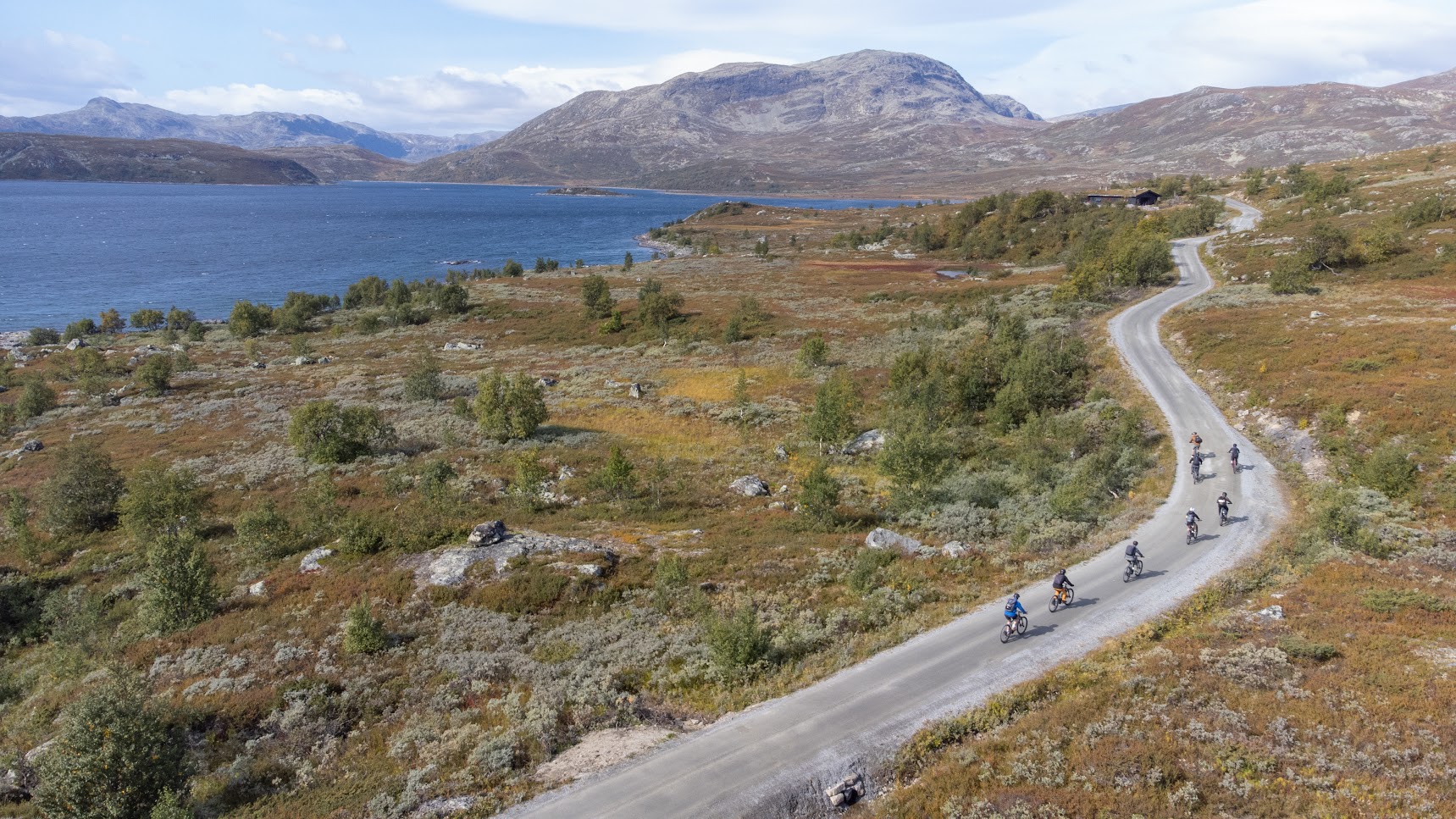
    A cycling journey towards resilient regenerative futures: Systemic Cycles (SC) was protoyped by Martin Schütz and Tobias Luthe of ETH Zurich in 2021, hosted by MonViso Institute, IT. SC currently is both further conceptualized as a Swiss-based research project, and as part of this research practically developed in different bio-regional contexts. cycle-explore-connect-map-weave-transfer-enjoy Systemic Cycles is…